| 5 Things To Do When Complaining about a Locksmith! |
7 Cues That You are Dealing with a Rogue Locksmith
The Master Locksmiths Association (MLA) reported that complaints about unscrupulous individuals posing as locksmiths increased by 25% last year, with the trade association receiving approximately 350 complaints.
The vast majority of UK locksmiths are honourable and hardworking professionals. However, like every industry, there are a few rotten eggs. The big problem is that these malicious actors don’t just cause damage to property. They also overcharge people, intimidate them, and in rare cases, leave a home vulnerable to burglary.
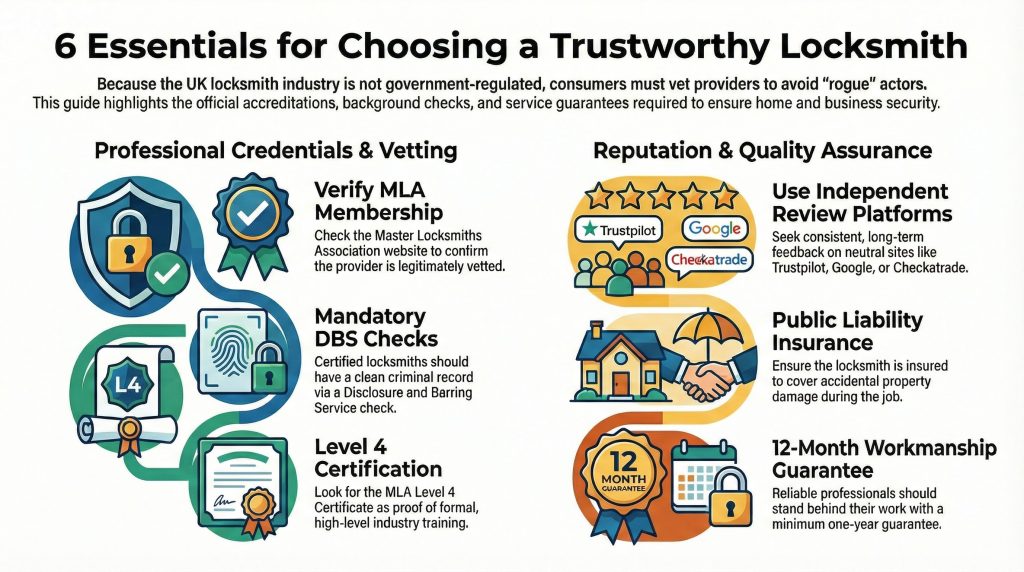
So, how can you avoid one of these shady operators? Here are seven cues that you’re dealing with a rogue locksmith.
1. No MLA Accreditation
One of the clearest indicators of a rogue locksmith is the absence of Master Locksmiths Association (MLA) accreditation. The MLA is the UK’s leading trade association for locksmiths, recognised by the police, Home Office, and insurers as the authoritative body in the industry.
MLA-approved locksmiths are rigorously vetted, regularly inspected, and must prove their competence through challenging exams and ongoing training. Without this accreditation, there’s no guarantee of skill, integrity, or even a clean criminal record.
Some estimates suggest there are around 6,500 working locksmiths within the UK. A little over 350 are registered MLA members. While not all non-MLA approved locksmiths are rogue operators, all rogue operators are not MLA approved.
Expert Tip
MLA-accredited members can put the MLA logo on their website. However, some shady locksmiths will put up this logo without going through the approval process. So, before you hire a locksmith, ask to see proof of their MLA membership, which you can also verify on the trade organisation’s official website.
2. Lack of Clear Identity, Address, or Local Presence

Many rogue locksmiths use generic business names, lack a physical address, or operate through national call centres. Some even steal the identity of reputable local businesses. In extreme cases, they even steal the identity of reputable local businesses, using their names, logos, or reviews to give a veneer of legitimacy.
Expert Tip
Check for a genuine business address and a local landline number. Verify who will actually attend your job and confirm their credentials with the MLA
3. False Claims of Police Approval or Fake Trade Logos
Some scammers claim to be “police approved” or display fake trade association logos. The police do not endorse locksmiths, so any professional that does is immediately suspicious.
Other rogue locksmiths post fake trade logos on their site, claiming membership of bodies like the UK Locksmith Association (UKLA), Accredited Locksmith Group, or Institute of Certified Locksmiths (ICL).
Expert Tip
Only trust locksmiths listed as MLA members. The MLA’s standards are recognised by the police, and their logo is a mark of genuine approval.
4. Poor, Generic, or Fabricated Online Reviews

Rogue locksmiths may have glowing reviews—or none at all. Some share addresses or reviews with multiple businesses, making it difficult to verify authenticity.
So, look out for things like only 5-star reviews with vague comments, reviews that are duplicated across different businesses, or no presence on independent review platforms.
Expert Tip
Look for detailed, specific reviews on independent platforms like Google, Checkatrade, or Trustpilot. Don’t just focus on how many stars they have, dig into the reviews and look for specifics.
5. Insistence on Cash-Only Payments and No Paperwork
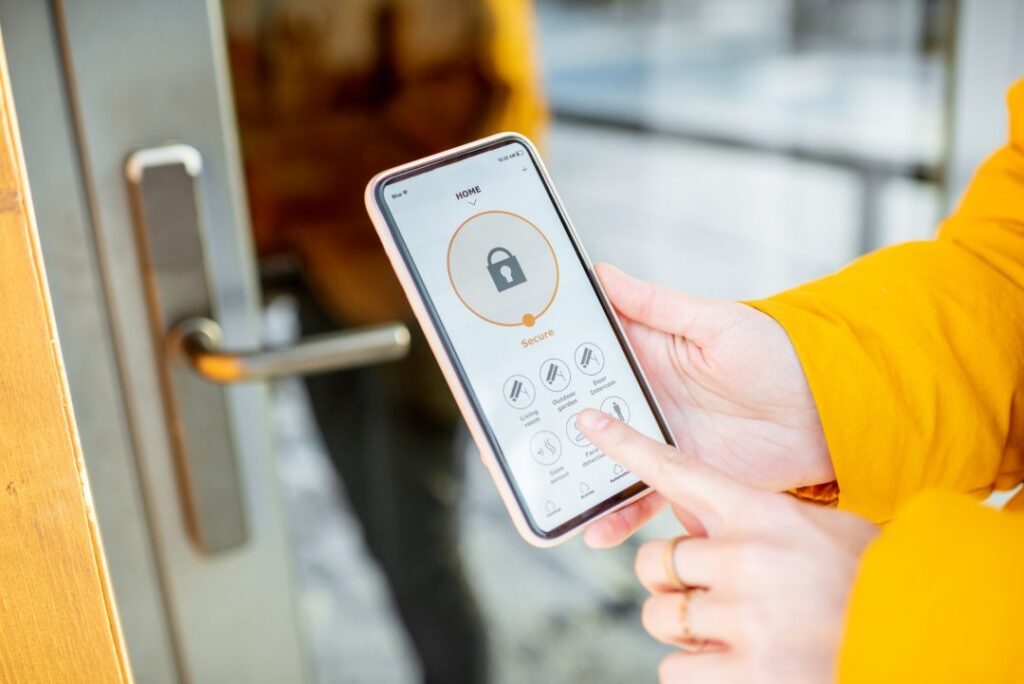
Many legitimate locksmiths take cash as a method of payment. However, they also offer a range of payment options, including credit and debit cards, bank transfers, and sometimes even cheques. If your locksmith demands cash only, it could be a sign that their business is not run in an honest manner.
Furthermore, if your locksmith refuses to provide invoices or a receipt, it’s another red flag.
Expert Tip
Always request a written invoice and pay by card if possible. Reputable locksmiths stand by their work and offer guarantees.
Also, it’s worth noting that while many reputable locksmiths accept both cash and cards, there is no industry requirement obliging them to take cash.
6. No Warranty or Aftercare
A good locksmith stands by the quality of their parts and work. A shady locksmith is unlikely to offer a warranty or aftercare service. So, before you hire a locksmith, check out their website to see where you stand.
Expert Tip
Before agreeing to any work, ask questions like, “What warranty do you offer on parts and labour?” and “What aftercare or support is available if I have issues later?” If your prospective locksmith is evasive or reveals they don’t back their work, look for a professional who will.
7. No Request for Proof of Ownership
A professional locksmith will always ask for ID or proof that you have the right to access the property. Rogues often skip this, risking your security and potentially enabling criminal activity.
If a locksmith is willing to open a door without checking your credentials or asks no questions about your relationship to the property, they’re not meeting the right standard.
Expert Tip
If a locksmith is willing to open a door without verifying your identity, consider it a major red flag.
Other red flags to look out for

While our list of 7 cues that you are dealing with a rogue locksmith covers most of the bases, here are a few other things to help you identify bad actors.
- Aggressive or Intimidating Behaviour: Some scam locksmiths use pressure tactics or intimidation to force payment, especially when customers challenge inflated bills.
- Destructive Entry as First Resort: Rogues may drill locks unnecessarily, claiming it’s the only option, then charge extra for replacement, even when non-destructive methods should be used.
- Unmarked Vehicles and Lack of Uniform: Professionals typically arrive in branded vehicles and uniforms, while rogues may turn up in unmarked vans and plain clothes.
Final thoughts
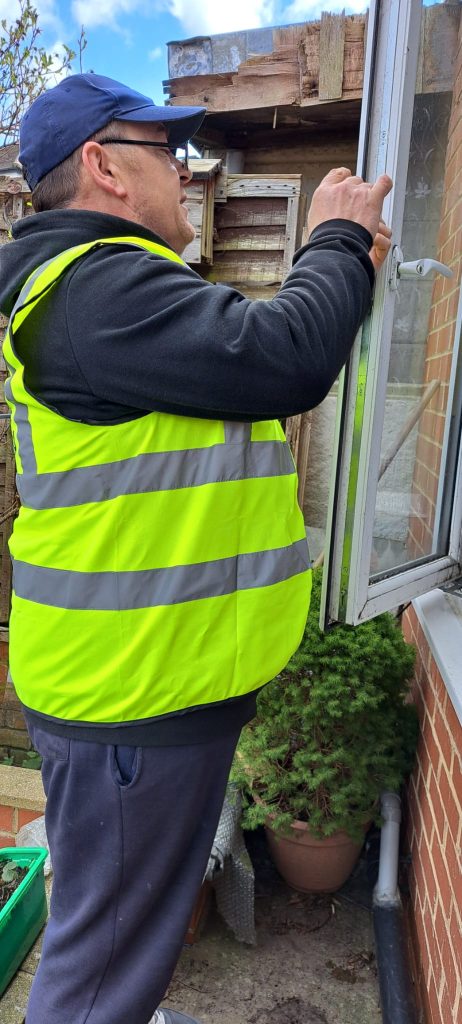
Working with an MLA-approved locksmith is essential. These professionals go through vetting and examination processes to ensure you receive proper service. What’s more, incorrect lock installation by unqualified tradespeople can i
The number of rogue locksmiths is increasing in the UK. If you’re unfortunate enough to deal with one of these characters, it can be a frustrating and occasionally frightening experience, with overcharging, poor workmanship, misleading quotes, and intimidation becoming increasingly common.
In this section, we’ll share the five things to do when complaining about a locksmith.
Certainly! Here’s a professionally expanded, UK-focused article with each section as a clear, informative paragraph:
Making a complaint about a locksmith
The UK locksmith industry is largely unregulated. That situation means anyone can operate as a locksmith without formal qualifications or background checks. This lack of oversight means rogue operators are working in the sector.
In a recent MLA survey, 66% of members reported being called to rectify botched jobs by rogue locksmiths within the past year, with 65% citing cases where customers were overcharged by £200 or more.
Despite the lack of regulation, consumers are not powerless. The Consumer Rights Act 2015 and Consumer Protection from Unfair Trading Regulations 2008 protect you from unfair, misleading, or aggressive practices, while Trading Standards can investigate any issues.
Additionally, the Master Locksmiths Association (MLA) ensures its members are vetted and are held to high standards of work and ethics. Working with MLA-approved locksmiths ensures you have recourse if anything goes wrong.
Now, here is what you can do if you run into any unwelcome problems when dealing with a locksmith.
1. Gather and Organise Your Evidence
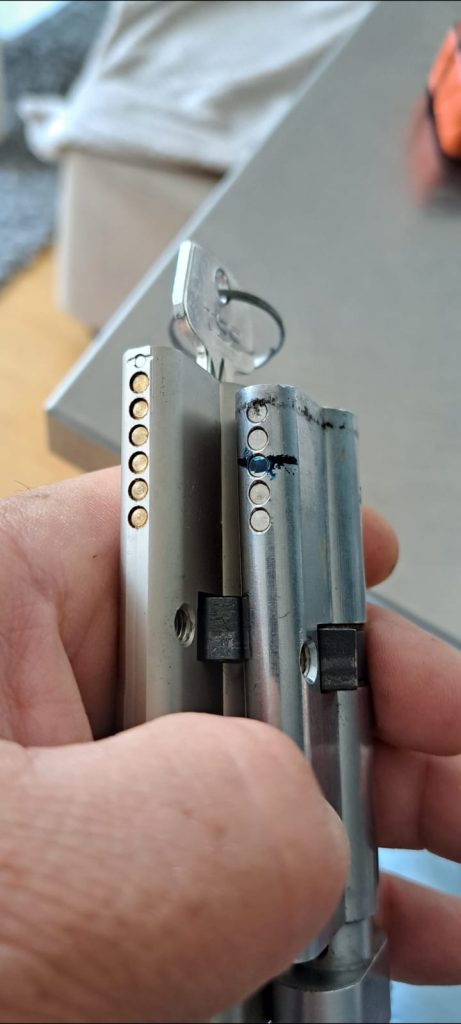
The first step in making an effective complaint about a locksmith is to gather and organise all relevant evidence. This means keeping hold of any paperwork such as invoices, quotes, receipts, and any written correspondence you have, including emails and text messages.
Take clear photographs of the work carried out, especially if you believe it was substandard or caused damage. It’s also a good idea to keep a detailed record of your interactions. Note down the times, dates, names, and what was discussed or agreed upon. This evidence is crucial, particularly if you suspect you’ve been overcharged or misled.
Having all your evidence in order will strengthen your case and make it much easier to explain your complaint clearly to the locksmith, any trade association, or even a court if necessary.
2. Contact the Locksmith Directly

Once your evidence is organised, the next step is to contact the locksmith or the company directly to raise your concerns. It’s best to do this as soon as possible and ideally in writing, either by email or a formal letter, so that you have a record of your communication.
Clearly explain the issue, outline what outcome you are seeking (such as a refund, repair, or compensation), and attach your supporting evidence. Maintaining a firm yet fair tone is crucial; being calm and reasonable increases your chances of achieving a positive outcome.
Many reputable locksmiths have formal complaint procedures and strive to resolve issues promptly. Remember, clear communication not only helps you but also gives the locksmith a fair chance to rectify the situation.
3. Escalate to a Trade Association or Regulatory Body

If you’re unable to resolve the issue directly with the locksmith, the next step is to escalate your complaint to a relevant trade association or regulatory body.
As mentioned above, the Master Locksmiths Association (MLA) is the leading trade body for locksmiths in the UK. If your locksmith is an MLA member, you can submit a formal complaint through their process.
The MLA rigorously vets its members and can mediate disputes or take disciplinary action if standards are not met.
While this step is not available if your locksmith is not a member, it highlights the importance of working with MLA-accredited locksmiths. Membership is a strong indicator of professionalism and accountability in an otherwise unregulated industry.
4. Seek Independent Advice and Report to Authorities

If you’re still not satisfied, seek independent advice and consider reporting the issue to the appropriate authorities.
Citizens Advice is an excellent resource for guidance on consumer rights. If necessary, you can escalate your case to Trading Standards. Trading Standards has the authority to investigate unfair trading practices, scams, and unsafe working conditions, thereby protecting other consumers from similar issues.
It can also be helpful to get a second opinion from another reputable locksmith, ideally one who is MLA-approved. These professionals can assess whether the work and pricing were reasonable. If you have been threatened, scammed, or feel unsafe, don’t hesitate to report the incident to Action Fraud or the police.
5. Consider Legal and Financial Remedies
If all else fails, consider legal and financial remedies. If you paid by debit card, you may be able to request a chargeback from your bank. For credit card payments over £100, Section 75 of the Consumer Credit Act offers additional protection.
If the dispute remains unresolved, you can take your case to the small claims court, where your organised evidence and correspondence will be essential.
Unfortunately, if you paid in cash, recovering your money is much more difficult, which is why card payments are typically considered a safer option. If you suspect criminal activity, such as fraud or intimidation, it’s important to report the matter to Action Fraud or the police without delay.
Should I Leave a Negative Review?
If your locksmith is featured on independent review sites, you can leave a review outlining the specific details of your experience. This can help warn others about the locksmith’s actions.
However, it’s essential to stick to the facts, avoid exaggeration, and refrain from making unproven accusations. In recent years, rogue operators have threatened legal action or accused consumers of defamation to intimidate them into removing their reviews. If everything you said is fair and accurate, you’ve nothing to worry about.
Final Thoughts
Taking the steps outlined above will help you resolve your complaint and ensure the locksmith industry is held to high standards. You can avoid these situations altogether by exclusively working with MLA-approved locksmiths, avoiding cash payments, and insisting on a fixed written quote. Always know your rights, and don’t hesitate to exercise them.