Introduction to Car Door Opening Tools
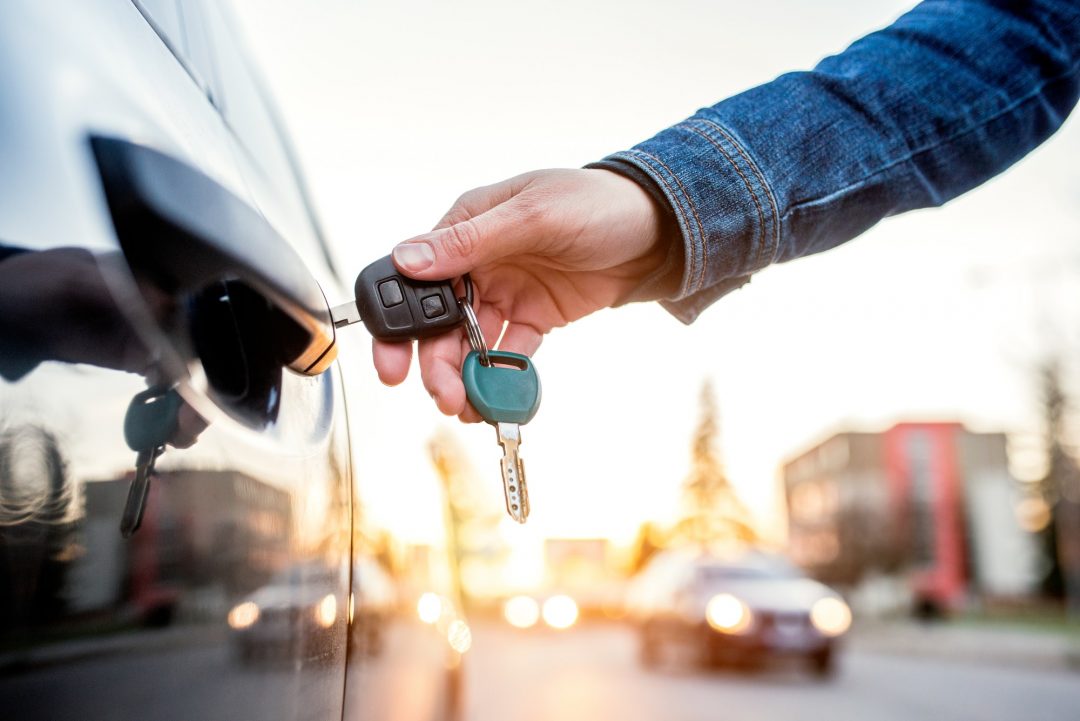
Locked out of your car? Lost keys, a faulty lock, or keys left inside can be frustrating. A locksmith’s expertise is invaluable in these situations.
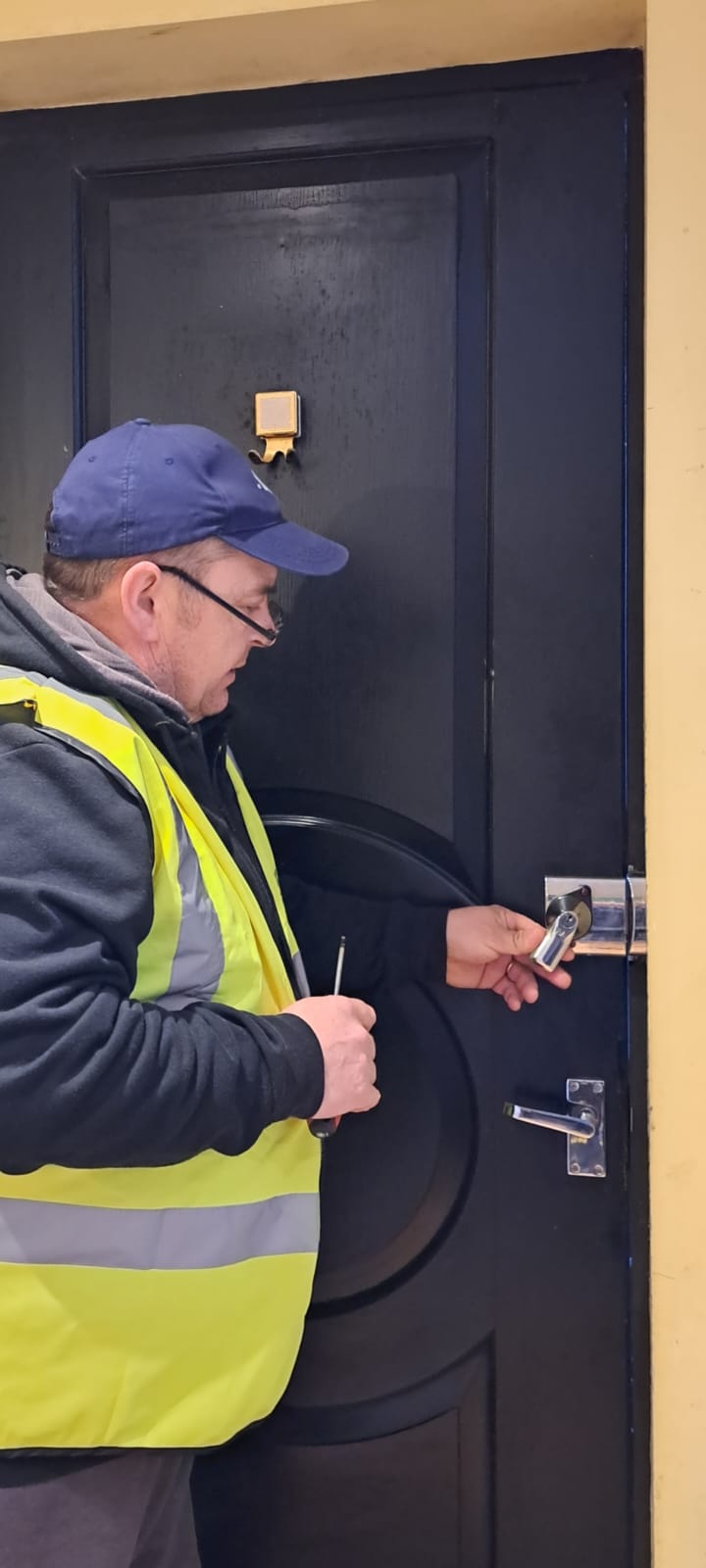
Locksmiths use specialized tools to open car doors without damage. This guide covers these tools, their uses, and the professional service locksmiths provide.
Understanding these tools helps you appreciate the skill involved. Locksmiths prioritize security and ensure your car is opened safely and efficiently.
Key Points
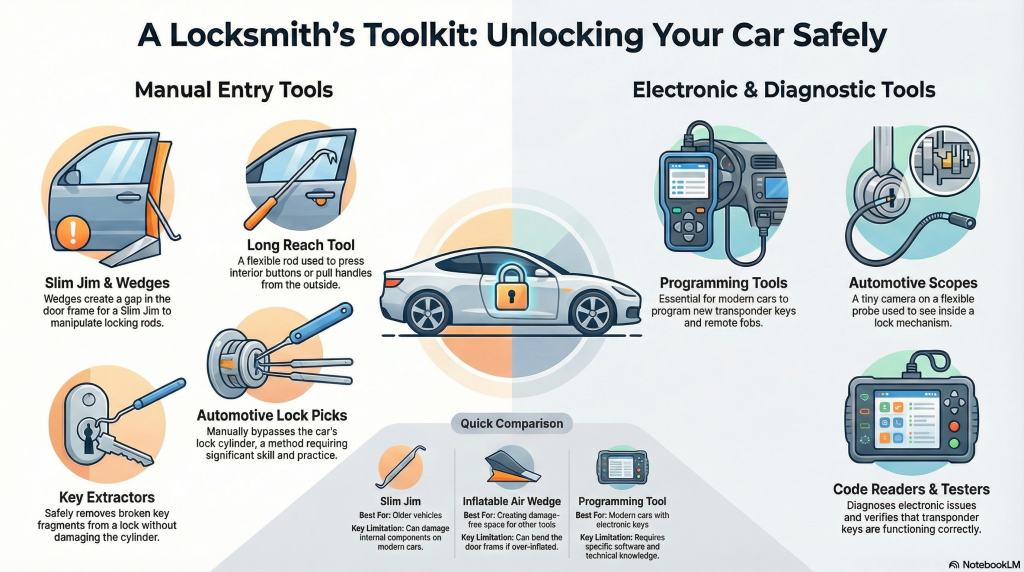
- ✓Slim Jim – Manipulates the locking mechanism through the door frame.
- ✓Wedges – Create space between the door and frame for tool insertion.
- ✓Long Reach Tool – Accesses interior door handles and buttons.
- ✓Key Extractors – Removes broken keys from the lock cylinder.
- ✓Lock Picks – Manually picks the car’s lock.
- ✓Automotive Scopes – Small cameras visualize the locking mechanism.
- ✓Programming Tools – Reprograms transponder keys and key fobs.
- ✓Try-Out Keys – Keys designed to fit various car locks.
Detailed Breakdown
| Aspect | Details | Notes |
|---|---|---|
| Slim Jim | Thin metal tool inserted between door and frame to manipulate locking rods. | Requires skill to avoid damage. Best for older car models. |
| Wedges (Inflatable) | Inflatable bags create a gap between door and frame. | Allows space for other tools. Use carefully to avoid bending the frame. |
| Wedges (Solid) | Plastic or wooden wedges create a gap. | Simpler than inflatable wedges, less control over gap size. |
| Long Reach Tool | Flexible rod with a hook to reach interior handles or buttons. | Ideal when the locking mechanism is hard to access directly. |
| Key Extractors | Tools with hooks to remove broken keys from the lock cylinder. | Essential for broken keys, prevents further lock damage. |
| Lock Picks (Automotive) | Picks designed for car locks, allowing manual manipulation. | Requires practice. Not suitable for all car models. |
| Automotive Scopes | Small cameras on flexible probes to view the locking mechanism. | Helps understand the lock’s configuration for entry. |
| Programming Tools | Electronic devices to program transponder keys or key fobs. | Needed for cars with transponder keys. Requires specific software. |
Air Wedges and Door Spreaders
Air wedges and door spreaders create space to access a vehicle’s interior.
They allow locksmiths to insert tools like long reach tools or slim jims without damage.
Careful use is crucial for a successful, damage-free opening. Locksmiths are trained for precision.
Key Points
- ✓Inflatable Air Wedge – Provides a controlled, adjustable gap.
- ✓Non-Marring Wedges – Won’t scratch the car’s paint.
- ✓Placement is Key – Prevents damage, maximizes effectiveness.
- ✓Gradual Inflation – Prevents over-extension and damage.
- ✓Door Frame Protection – Shims minimize risk.
- ✓Leverage Techniques – Maximize the gap created.
- ✓Alternative Entry Points – Consider the window frame.
- ✓Regular Inspection – Ensures safe operation.
Detailed Breakdown
| Aspect | Details | Notes |
|---|---|---|
| Inflatable Air Wedge Material | Durable, reinforced vinyl or rubber. | Resistant to tearing. Choose high-quality materials. |
| Air Wedge Inflation Mechanism | Hand pump or electric pump. | Hand pumps offer more control. |
| Wedge Shape and Size | Various shapes and sizes for different door frames. | Select the right size for the vehicle. |
| Non-Marring Wedge Material | Plastic, nylon, or coated metal. | Prevents scratches to the car’s paint. |
| Wedge Placement Technique | Position near the top corner of the door frame. | Provides leverage, minimizes stress. |
| Inflation Pressure Control | Monitor the pressure gauge. | Over-inflation can bend the frame. |
| Protective Shims | Thin plastic or rubber between the wedge and paint. | Protects the paint from scratches. |
| Leverage Point Selection | Identify the strongest point on the door frame. | Avoid weak or damaged areas. |
Long Reach Tools and Their Applications
Long reach tools access the interior when other methods are not ideal.
They manipulate interior door handles, window switches, or other controls from outside.
Precision is key. This method minimizes the risk of damage to the vehicle.
Key Points
- ✓Tool Material – Steel or reinforced plastic.
- ✓Handle Design – Ergonomic for precise control.
- ✓Tip Attachments – Interchangeable tips for different controls.
- ✓Reach Length – Varying lengths for different vehicle sizes.
- ✓Visibility – Good visibility of the target.
- ✓Practice and Skill – Requires practice.
- ✓Avoiding Obstacles – Maneuvering around interior obstacles.
- ✓Gentle Manipulation – Avoid excessive force.
Detailed Breakdown
| Aspect | Details | Notes |
|---|---|---|
| Long Reach Tool Material Strength | High-strength steel or reinforced composites. | Withstands bending without breaking. |
| Handle Ergonomics | Comfortable grip with non-slip surface. | Reduces fatigue, improves control. |
| Tip Attachment Variety | Hooks, loops, grabbers for different controls. | Precise manipulation of components. |
| Tool Length Options | 3 feet to 6 feet. | Choose based on vehicle size and layout. |
| Visibility Enhancement | Use a flashlight or automotive scope. | Accurately target the desired control. |
| Practice Techniques | Practice on a training vehicle. | Improves speed and accuracy. |
| Obstacle Avoidance Strategies | Maneuver around steering wheels and seats. | Prevents interior damage. |
| Force Modulation | Apply gentle pressure. | Requires a delicate touch. |
Lock Picking Tools for Car Doors
Lock picking bypasses the mechanical locking mechanism without a key.
It requires skill, precision, and understanding of lock mechanics.
While complex, it’s effective when other methods fail. Locksmiths use these tools ethically.
Key Points
- ✓Pick Types – Different picks for different lock types.
- ✓Tension Wrenches – Correct tension is crucial.
- ✓Reading the Lock – Understanding the lock’s feedback.
- ✓Skill and Practice – Requires extensive practice.
- ✓Legal Considerations – Lock picking laws.
- ✓Ethical Use – Only with authorization.
- ✓Lock Complexity – Some locks are harder to pick.
- ✓Alternative Methods – Consider other methods first.
Detailed Breakdown
| Aspect | Details | Notes |
|---|---|---|
| Pick Material | High-strength steel or titanium. | Ensures durability. |
| Pick Shape and Design | Hooks, diamonds, rakes. | Each shape for specific lock types. |
| Tension Wrench Torque | Light and consistent torque. | Too much or too little prevents opening. |
| Lock Feedback Interpretation | Listening for clicks, feeling for movement. | Provides clues about the lock. |
| Practice Lock Selection | Practice locks with varying difficulty. | Gradual skill development. |
| Legal Restrictions | Vary by jurisdiction. | Comply with all laws. |
| Ethical Guidelines | Only with permission. | Responsible use of skills. |
| Lock Security Features | High-security locks with anti-picking mechanisms. | May require specialized tools. |
Key Extraction Tools and Techniques
A broken key in the lock is frustrating. Key extraction tools remove fragments without damage.
Locksmiths safely extract broken keys, create new keys, or open the door using other methods.
This maintains the functionality and security of your vehicle.
Key Points
- ✓Extractor Types – Different extractors for different key types.
- ✓Gentle Extraction – Avoid further lock damage.
- ✓Lubrication – Ease extraction.
- ✓Patience – Do it correctly.
- ✓Lock Inspection – Inspect for damage.
- ✓Key Duplication – Create a new key.
- ✓Preventative Measures – Avoid future breakage.
- ✓Professional Assistance – Know when to call a locksmith.
Detailed Breakdown
| Aspect | Details | Notes |
|---|---|---|
| Extractor Hook Design | Fine, hooked tips for grabbing fragments. | Precise extraction. |
| Extractor Material Strength | High-strength steel or titanium. | Withstands the force needed. |
| Lubricant Type | Graphite-based or specialized lock lubricant. | Reduces friction. |
| Lubrication Application Technique | Small amount to the lock cylinder. | Avoid over-lubricating. |
| Extraction Force Modulation | Gentle pressure. | Avoid excessive force. |
| Lock Cylinder Inspection | Check for damage to pins or wafers. | Identifies needed repairs. |
| Key Blank Selection | Choose the correct key blank. | Ensures the new key fits. |
| Key Cutting Precision | Accurately cut the new key. | Requires specialized equipment. |
Automotive Scopes and Diagnostic Tools
Automotive scopes (inspection cameras) visually inspect the internal components of a car door lock without disassembly.
They provide a clear view to identify the problem and determine the best action.
Diagnostic tools, like code readers and transponder testers, resolve electronic key and immobilizer issues. This enhances efficiency.
Key Points
- ✓Camera Resolution – High resolution for clear images.
- ✓Probe Flexibility – Flexible probes for tight spaces.
- ✓Light Source – Integrated light source.
- ✓Diagnostic Software – Interpreting data.
- ✓Code Readers – Reading and clearing codes.
- ✓Transponder Testers – Testing key functionality.
- ✓Data Logging – Recording data.
- ✓Regular Updates – Keeping tools updated.
Detailed Breakdown
| Aspect | Details | Notes |
|---|---|---|
| Camera Resolution (Pixels) | Minimum 720p resolution. | Higher resolution allows detailed inspection. |
| Probe Diameter (mm) | Small diameter (e.g., 4mm). | Accessing tight spaces. |
| Probe Flexibility (Degrees) | 360-degree articulation. | Greater maneuverability. |
| Light Source Intensity (Lumens) | Adjustable LED with high intensity. | Adequate illumination. |
| Diagnostic Software Compatibility | Compatible with many vehicle makes. | Reliable diagnostic information. |
| Code Reader Functionality | Reads and clears DTCs. | Identifies electronic issues. |
| Transponder Tester Range (MHz) | Tests keys in 125 kHz, 134 kHz, and 433 MHz ranges. | Verifies key functionality. |
| Data Logging Capacity (GB) | Sufficient capacity for recording data. | Detailed analysis. |
Programming Tools for Transponder Keys and Key Fobs
Modern cars use electronic security systems like transponder keys and key fobs.
When a key is lost or damaged, programming tools are needed to program new keys.
These tools communicate with the car’s immobilizer system. Locksmiths use them safely and effectively.
Key Points
- ✓Programming Interface – User-friendly.
- ✓Vehicle Compatibility – Wide range of vehicles.
- ✓Security Protocols – Secure communication.
- ✓Immobilizer Bypass – Ability to bypass when needed.
- ✓Key Fob Programming – Programming key fobs.
- ✓Data Storage – Storing key data.
- ✓Regular Updates – Keeping tools updated.
- ✓Troubleshooting – Troubleshooting issues.
Detailed Breakdown
| Aspect | Details | Notes |
|---|---|---|
| Programming Interface Type | Touchscreen or computer-based. | Touchscreen is portable, computer-based offers advanced features. |
| Vehicle Make and Model Coverage | Extensive coverage of vehicles. | Ensures compatibility. |
| Security Protocol Encryption | Advanced encryption. | Protects against unauthorized access. |
| Immobilizer Bypass Methods | PIN code reading or EEPROM programming. | Allows programming without the original key. |
| Key Fob Frequency Range (MHz) | Supports programming in 315 MHz, 433 MHz, and 868 MHz ranges. | Ensures compatibility. |
| Data Storage Capacity (Keys) | Stores data for many keys. | Easy retrieval of data. |
| Software Update Frequency | Regular updates. | Supports new vehicles and protocols. |
| Troubleshooting Resources | Online databases and technical support. | Helps resolve issues. |
Try-Out Keys and Shims
Try-out keys are pre-cut keys designed to fit various car locks.
Locksmiths use them to quickly test key profiles and identify the correct key.
Shims are thin pieces of metal or plastic to manipulate the locking mechanism. While not always successful, they can be valuable.
Key Points
- ✓Key Variety – Wide variety of key profiles.
- ✓Shim Material – Durable and flexible.
- ✓Quick Testing – Allows quick testing.
- ✓Lock Manipulation – Shims can manipulate the lock.
- ✓Skill Required – Requires skill.
- ✓Limited Success – Not always successful on modern cars.
- ✓Alternative Methods – Consider alternatives if unsuccessful.
- ✓Lock Damage – Avoid causing damage.
Detailed Breakdown
| Aspect | Details | Notes |
|---|---|---|
| Key Profile Range | Covers many key profiles. | Increases the chance of finding a match. |
| Key Material Hardness | Durable metal alloys. | Withstands repeated use. |
| Shim Thickness (mm) | Thin shims (e.g., 0.1mm to 0.5mm). | Precise manipulation. |
| Shim Flexibility | Flexible shims. | Conforms to the lock cylinder. |
| Testing Speed | Allows quick testing. | Saves time. |
| Lock Manipulation Technique | Inserting the shim between pins. | Requires a delicate touch. |
| Success Rate on Modern Vehicles | Lower success rate on modern vehicles. | More effective on older vehicles. |
| Lock Damage Prevention | Avoid excessive force. | Prioritize the lock’s integrity. |
Comparison Overview
| Item | Type | Pros | Cons | Best For |
|---|---|---|---|---|
| Slim Jim | Manual Tool | Simple, inexpensive, quick on older cars | Can damage components, ineffective on modern cars | Older vehicles |
| Inflatable Air Wedge | Tool Accessory | Creates space without damage, adjustable | Requires other tools, can bend frame if over-inflated | Creating space |
| Long Reach Tool | Manual Tool | Reaches interior controls, minimal damage risk | Requires skill, limited access in some cars | Interior door handles |
| Lock Picks (Automotive) | Manual Tool | Bypasses the lock without a key | Requires skill, can damage the lock, not always effective | When other methods fail |
| Key Extractors | Manual Tool | Removes broken keys, prevents damage | Requires specific extractors | Removing broken keys |
| Automotive Scope | Diagnostic Tool | Visualizes components, aids in diagnosis | Requires training, can be expensive | Diagnosing lock malfunctions |
| Programming Tool | Electronic Tool | Programs transponder keys and key fobs | Requires software, can be complex | Programming new keys |
| Try-Out Keys | Manual Tool | Quickly tests key profiles | Limited success on modern cars, can damage the lock | Identifying key profile |
| Solid Wedges | Tool Accessory | Simple, inexpensive | Less control, can damage paint | Creating a small gap |
| Code Reader | Diagnostic Tool | Reads and clears diagnostic codes | Requires knowledge of vehicle systems | Diagnosing electronic issues |
| Transponder Tester | Diagnostic Tool | Tests key functionality | Limited to key testing | Verifying key functionality |
| Shims | Manual Tool | Inexpensive, can manipulate locking mechanism | Requires skill, not always effective, can damage lock | Bypassing simple locks |
| EEPROM Reader | Electronic Tool | Reads data directly from the car’s computer | Advanced skill and equipment required | Retrieving key codes |
| Lishi Pick/Decoder | Manual Tool | Picks and decodes the lock | Expensive, requires training | Quickly opening and decoding |
Frequently Asked Questions
What does a locksmith do?
Locksmiths provide security services: installing, repairing, and rekeying locks. They help with lockouts, create new keys, and program transponder keys for cars. They work on homes, businesses, and vehicles.
How much does a locksmith cost?
Cost varies by service, time, and location. Unlocking a door during business hours may cost £75-£150. Programming a transponder key can cost more.
Can a locksmith open my car without a key?
Yes, locksmiths use tools like slim jims, long reach tools, or lock picks to bypass the locking mechanism without damage.
How long does it take a locksmith to open a car door?
It depends on the locking mechanism and method used. A skilled locksmith can usually open a car door in 15-30 minutes.
Is it safe for a locksmith to open my car door?
Yes, professional locksmiths are trained to open car doors safely without damage. They use specialized tools and techniques.
What information do I need to provide to a locksmith when I’m locked out of my car?
Provide your location, car make and model, and proof of ownership. This helps the locksmith assess the situation.
Can a locksmith make a new key for my car if I’ve lost all my keys?
Yes, a locksmith can create a new key using the car’s VIN. For modern cars, they can also program a new transponder key.
What should I do if a locksmith damages my car while opening it?
Document the damage with photos and contact the locksmith company. A reputable company should have insurance to cover damages. If you can’t resolve it, file a claim with their insurance.
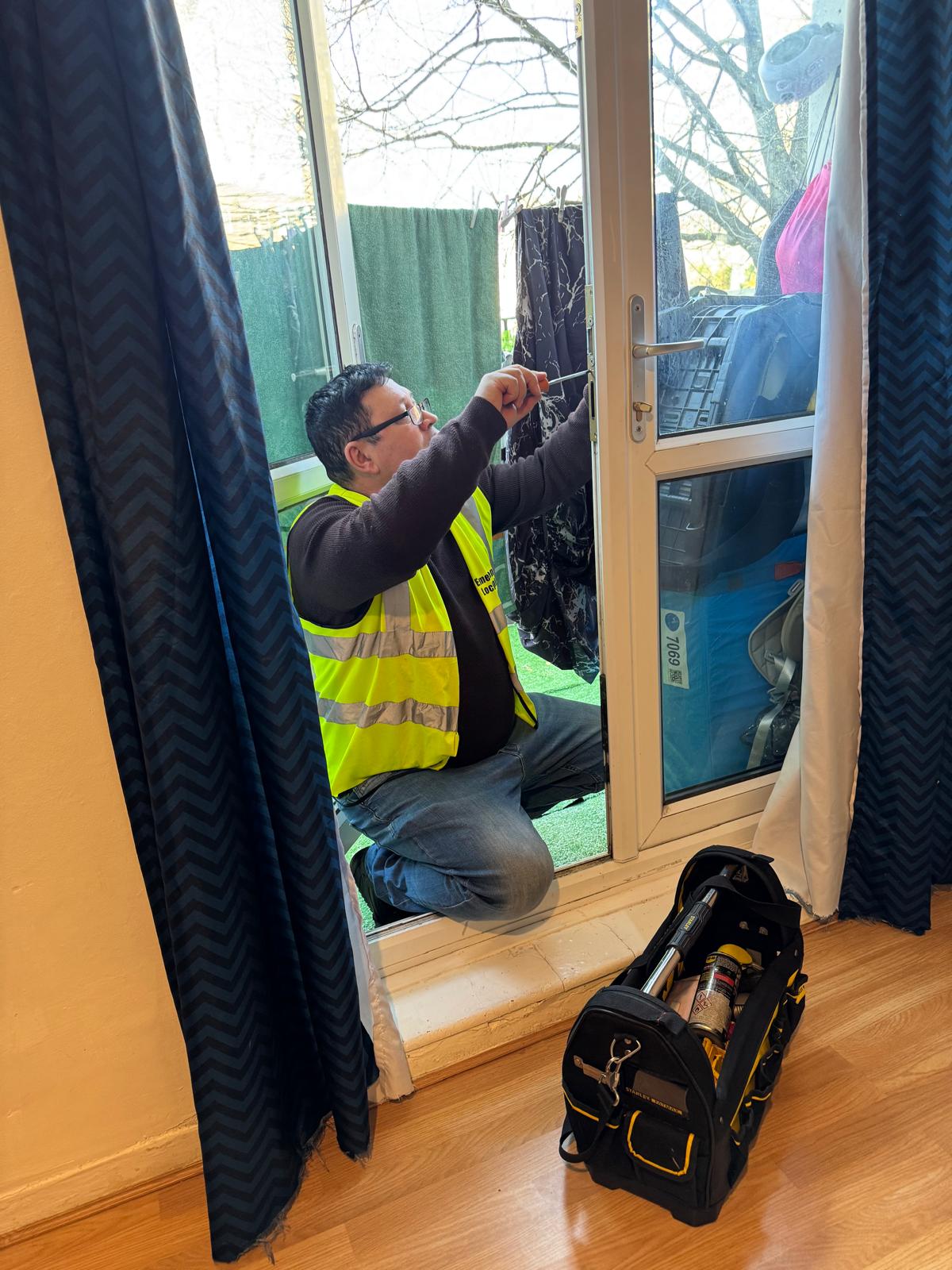
Contact Locksmith For London Today
Looking for safe opening and locksmith services in London? Contact Locksmith For London for expert assistance. We also provide 24/7 emergency services and affordable solutions across London.